China Travel Cost & Daily Budget Guide (2026): 2-Week Expense Breakdown
14-Day China Expense Comparison Across 3 Travel Tiers (2026)
| Route / Option | Duration | Est. Cost | Friction | Best Suited For |
|---|---|---|---|---|
| Independent Backpacker / Budget DIY | 14 Days / 13 Nights | $950 – $1,400 per person | High (Multiple Transfers) | Budget chain hotels, metro transit, 2nd class bullet trains, and neighborhood noodle dining |
| Comfort Semi-Independent (Most Popular) | 14 Days / 13 Nights | $1,850 – $2,800 per person | Medium (1 Transfer) | Curated 4-star foreigner-friendly hotels, 1st class trains, mix of taxis, and guided day trips |
| Tailor-Made Private Tour Package | 14 Days / 13 Nights | $3,400 – $5,200 per person | Low (Door-to-Door) | Dedicated private minivan & English driver, 5-star/boutique stays, luggage transfers & VIP entry |
1. Lodging Costs: What $70, $130, and $240 per Night Gets You in China
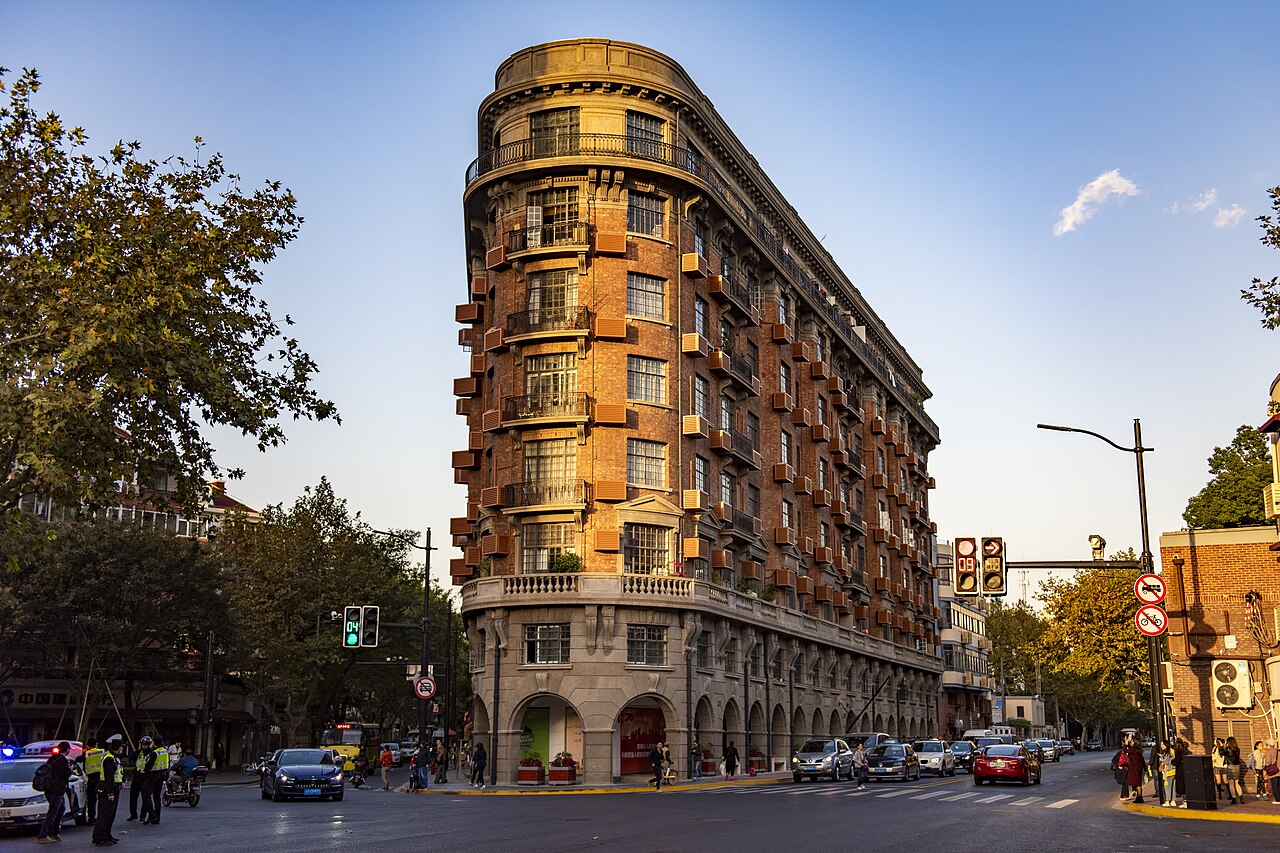
Accommodation is where China delivers exceptional value. In Tier-1 megacities like Shanghai and Beijing, clean international 4-star hotels cost $90 to $160 per room, while in cultural hubs like Xi’an, Chengdu, and Guilin, stunning boutique courtyard properties average $70 to $120 per night.
Before booking, contact the property to confirm that it can register your passport and ask about check-in requirements. Browse our hotel ideas, then verify the details directly with the property.
2. Intercity Transport: High-Speed Trains vs. Domestic Flights
China’s high-speed rail network is the most cost-effective way to travel between major regions. A 350 km/h Second Class bullet train ticket from Beijing to Xi’an costs approximately $85 USD (¥600 RMB) for a 4.5-hour journey. Xi’an to Chengdu takes just 3.5 hours for roughly $42 USD.
For long distances (such as Xi’an to Zhangjiajie or Zhangjiajie to Shanghai), domestic flights run $90 to $160 USD one-way. Plan routes and compare rail timetables on our China Bullet Train Route Planner.
Insider Dispatch Tip:
Compare official and third-party booking options in our China train ticket guide. Allow time for identity verification and remember that a pre-order is not a confirmed ticket.
3. Daily Food & Dining Budget: Street Food to Peking Duck
Food in China is outstanding and remarkably affordable. Everyday meals (such as hand-pulled biangbiang noodles, Shanghai soup dumplings, or Sichuan mapo tofu) cost between ¥15 and ¥35 RMB ($2 to $5 USD) per person.
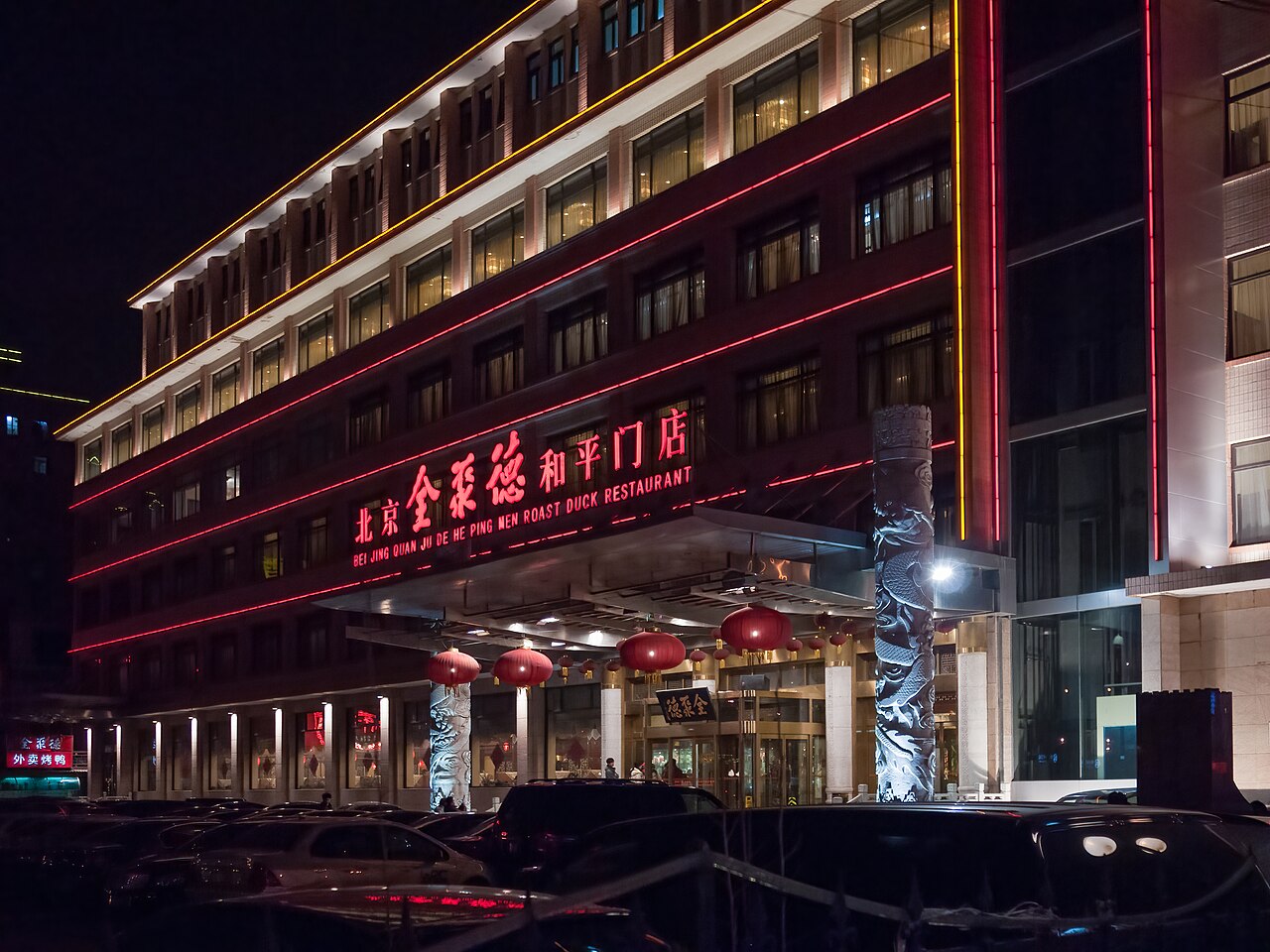
Sit-down dinners at popular regional restaurants average ¥70 to ¥130 RMB ($10 to $18 USD) per person. Even an elaborate banquet featuring whole wood-roasted Peking Duck with craft beer at a high-end restaurant typically totals under ¥200 to ¥280 RMB ($28 to $40 USD) per diner.
- Payment Fee Saving: Remember the ¥200 threshold! Transactions under ¥200 RMB processed through foreign Visa/Mastercard on Alipay or WeChat Pay incur zero platform fees. Read our China Payment Guide for full details.
- Tipping is not customary in Chinese restaurants or taxis—what is printed on the bill is what you pay.
4. Major Attraction Passes & Cableway Fees
National parks and imperial monuments in China have standardized, transparent entrance fees, though cable cars, elevators, and shuttle buses are often sold as separate add-ons.
Sample entrance costs per adult: Beijing Forbidden City (~$9 USD), Mutianyu Great Wall with cable car & toboggan (~$30 USD), Xi’an Terracotta Warriors (~$17 USD), Xi’an Ming City Wall (~$8 USD), Zhangjiajie National Forest Park 4-day pass (~$32 USD), Bailong Cliff Elevator (~$9 USD), Tianmen Mountain cable car (~$38 USD).
5. Independent DIY vs. Handcrafted Tour Package: Where Paying for Service Saves 30+ Hours
While DIY travel saves money, navigating crowded high-speed train stations with heavy luggage, negotiating taxi meters without Mandarin, and queuing at timed museum ticket windows can cost dozens of hours of vacation time.
A private tour package (such as our 10-Day Visa-Free Golden Triangle or 14-Day Grand Highlights Avatar Route) provides door-to-door private transfers, vetted English guides who handle passport entry lanes, and flexible morning pacing.
chinatrippackages.com • OFFLINE POCKET SURVIVAL & TAXI SHEET
China Emergency Numbers: Police 110 • Ambulance 120 • Tourist Hotline 12301
Show-Your-Driver Bilingual Taxi & DiDi Flashcards
Tap Enlarge for Driver in a taxi, or save as an offline A4 PDF before your flight.
Ask for Official Tax Invoice / Receipt (发票)
您好,请问可以开一张电子发票或者消费小票吗?谢谢!
Qǐngwèn kěyǐ kāi yī zhāng fāpiào ma?
Useful at hotels, restaurants, and private transport pickups for expense reimbursement.
Check Itemized Bill Before Payment
服务员您好,买单前能麻烦核对一下消费明细吗?谢谢!
Mǎidān qián néng máfan hēduì yīxià míngxì ma?
Show to waitstaff before paying in sit-down restaurants.
Want Us to Customize This Itinerary for Your Group?
Tell us which parts of the route interest you and ask about drivers, train tickets, hotels and any shopping stops. Availability and services are subject to the provider's written quote.
Recommended Private Car & Day Tour Options
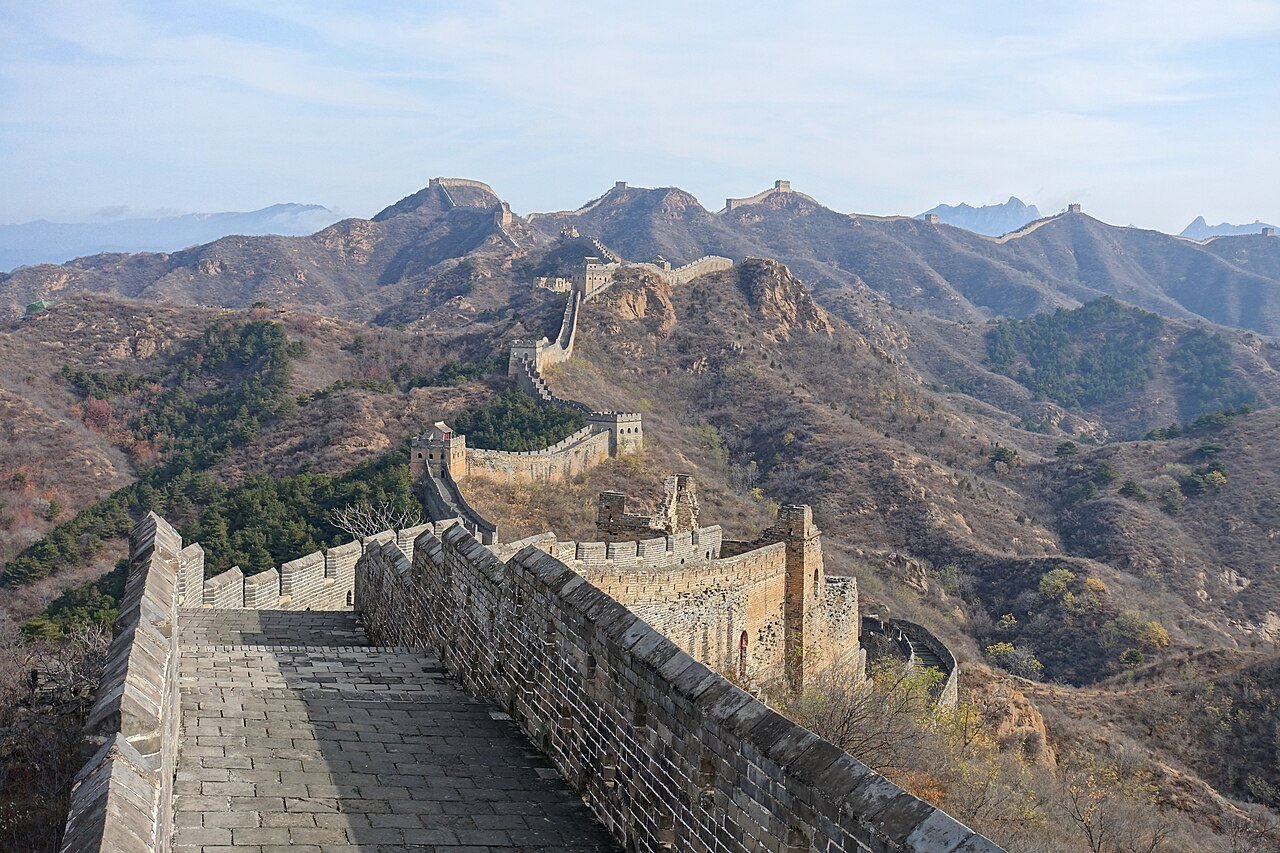
Beijing Early-Bird Mutianyu or Jinshanling Great Wall Private Car + Tickets
Possible vehicles: 5-Seat Sedan / 7-Seat Executive Van / 15-Seat Minibus. Confirm availability with the provider.
Public buses (Dongzhimen 916 Express) still drop you 15 km short of the Wall in Huairou town, where unlicensed black-cab touts overcharge foreigners. A direct private car goes straight to the Mutianyu parking deck.
Listings, prices, inclusions, shopping stops and cancellation policies vary. Confirm all terms with the provider before booking.
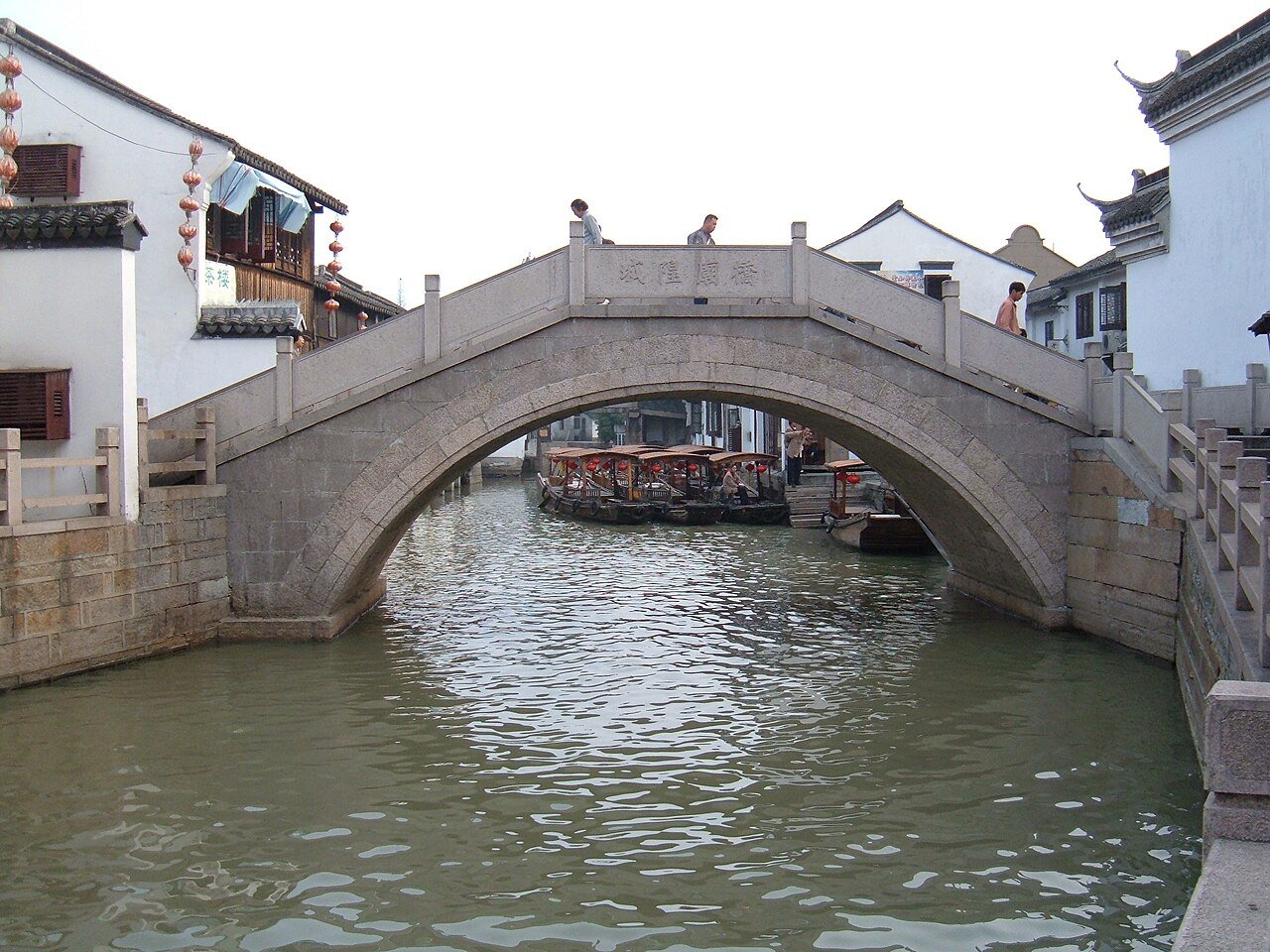
Shanghai to Suzhou Classical Gardens & Tongli / Zhujiajiao Water Town Private Car
Possible vehicles: 5-Seat Executive Sedan / 7-Seat Buick GL8. Confirm availability with the provider.
While high-speed trains take 30 minutes, getting to Shanghai Hongqiao Station, clearing passport manual gates, and taking taxis between Suzhou gardens and suburban water towns still eats 3+ hours.
Listings, prices, inclusions, shopping stops and cancellation policies vary. Confirm all terms with the provider before booking.
Frequently Asked Questions
Is China expensive to visit compared to Japan or Europe?
No. Overall travel expenses in China are approximately 30% to 50% lower than in Japan, Western Europe, or the United States. High-speed rail fares, casual restaurant dining, and 4-star boutique hotels offer world-class quality at moderate price points.
How much emergency cash should I carry in China?
We recommend keeping ¥500 to ¥1,000 RMB ($70 to $140 USD) in small cash banknotes as an emergency reserve. 99% of daily transactions are handled electronically via Alipay and WeChat Pay with foreign credit cards.
Do you tip tour guides, drivers, or restaurant waiters in China?
Tipping is never expected in regular restaurants, taxis, or shops across China. On custom private tours, modest gratuities (¥100–¥200/day for a private guide and ¥50–¥100/day for a private driver) are warmly welcomed for outstanding service, but entirely optional.
How can I request a customized China itinerary quote?
Visit our Plan Your Trip page to share your dates, group size, and preferred cities. Our dispatch team will assemble a tailored proposal with transparent inclusions and zero forced shopping stops.